
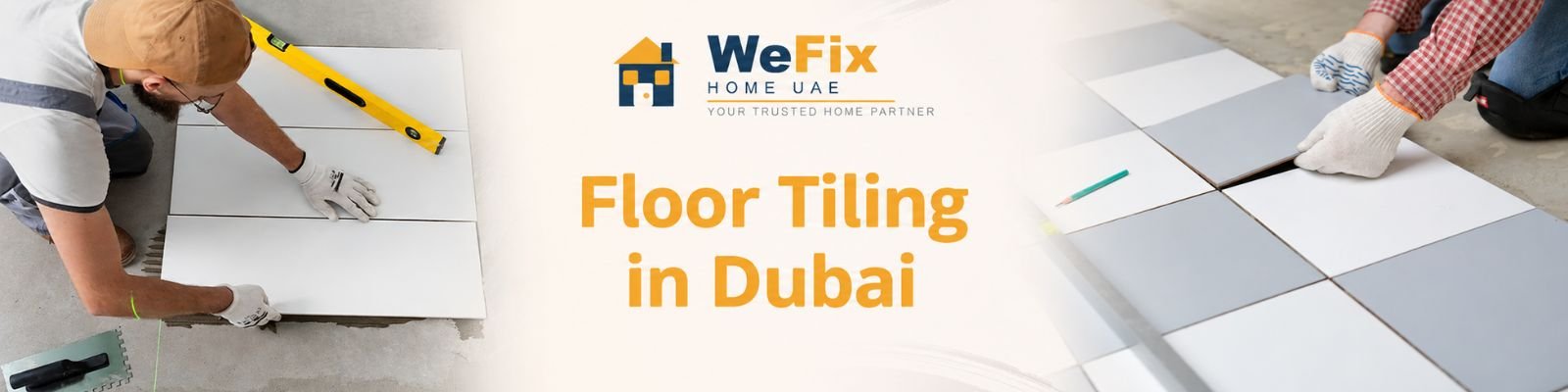
Walk into any newly tiled bathroom and the first thing you’ll notice is the tile itself, the colour and the size and maybe the pattern. What you won’t see is the stuff that actually decides how long it lasts. That’s all underneath. A floor that wasn’t quite level, adhesive that went on too thin in one corner, gaps that drift wider towards the door. None of it shows on day one, though give it a year and the hollow tiles, hairline cracks and patchy grout start turning up.
So it’s worth knowing what a proper job looks like before you hire anyone. You’ll read quotes with a sharper eye, and you’ll know which questions to ask. Below is the whole process, from the first site visit to the last wipe of grout haze, whether you’re redoing one small bathroom or planning floor tiling in Dubai across an entire villa.
Why Decent Floor Tiling in Dubai Starts Well Before the Tiles Arrive
Picking tiles is the fun bit, so naturally that’s where most people spend their time. The trouble is that preparation and planning take up a much bigger chunk of the actual work, and when a contractor is in a hurry, that’s usually the first thing to get squeezed.
Lay tiles on an uneven base and they’ll sit out of line no matter how good the tiler is. Skip waterproofing in a shower and water can find its way into the wall behind it, or down into the neighbour’s ceiling if you’re in an apartment. Rush the layout and you can end up with a row of skinny cut tiles right along the wall that faces the door, which is the one spot everybody looks at.
The Step-by-Step Process Behind Professional Tile Fixing in Dubai
Step 1: The Site Visit and Measurements
It nearly always begins with someone coming to see the space. They’ll measure each room, look closely at what’s on the floor or wall now, and go over the tiles you have in mind. Loose old tiles, low spots and any sign of damp get noted here, because each of those changes the plan and the cost.
Step 2: Lifting the Old Tiles and Getting the Base Ready
If there are tiles already down, they’ll usually come up first, and so will the old adhesive beneath them. Then the base gets cleaned and levelled, giving the new tiles something flat and solid to stick to. Bathrooms and other wet areas normally get waterproofed at this point, before tiling begins.
Step 3: Planning Where Every Tile Goes
Good tilers don’t just start in a corner and hope it works out. They’ll often lay a few tiles out dry or snap chalk lines across the floor first, trying to keep the full tiles in the most visible spots and send the cut pieces off towards the edges, under where cabinets or a bed frame will eventually sit.
Step 4: Adhesive Down, Tiles In
Adhesive goes on with a notched trowel, only a small area at a time so it doesn’t skin over before the tile lands. Each tile gets pressed down, shifted into line and checked against the ones around it to make sure it sits level. Spacers keep the joints even, and you’ll appreciate that later when the grout lines run straight.
Step 5: The Fiddly Cuts
No room is a perfect box. Pipes, drains, door frames and skirting all interrupt the pattern, so the tiler has to measure and cut pieces to fit around them. Honestly, this is where you can see who knows what they’re doing. Neat, tight cuts around a toilet base or a door frame are what make the finished room look sharp.
Step 6: Waiting for the Adhesive to Set
After the last tile goes in, the floor needs to be left alone for a while. Stepping on it too early, or grouting straight away, can knock a tile slightly out of position. Your contractor should tell you how long to stay off it.
Step 7: Grout, Clean-Up and Final Touches
Grout gets worked into the joints to lock the tiles together and stop dirt and water seeping underneath. Once it firms up, the tiler wipes off the cloudy residue it leaves on the surface. Natural stone, and a few other materials, may need sealing afterwards to help keep stains out.

Floors, Walls, Kitchens, Bathrooms: Where Tile Fixing Contractors in Dubai Spend Their Days
Floors are only part of it. Bathrooms and kitchens keep tilers busiest, since tiles shrug off water, steam and cooking splashes better than paint or wood. Splashbacks, feature walls and full-height wall tiling all use the same skills.
Most tile fixing contractors in Dubai work in offices and shops too, and a lot of them handle repairs as well as new installs. Replacing a handful of cracked or loose tiles costs far less than retiling a whole room, and it can give an otherwise good floor plenty more years.
Hiring for Tile Fixing Dubai Work Near You: What to Ask
Start with surface preparation. Ask how they’ll get the base ready, and listen to how detailed the answer is. Then ask about waterproofing for the bathroom, how they plan the layout and whether taking up the old tiles is included or charged on top.
Ask for photos, and look at the close-ups rather than the pretty wide shots. Edges and grout lines tell you more than a nicely lit room ever will. Once you’ve got a few names near you for tile fixing Dubai jobs, compare quotes that cover the same work, since a quote that looks cheap is sometimes just missing a step.
Before You Book Anyone
Tiles that last come from good preparation, a layout someone actually thought about and enough patience at the end to let things set properly. Once you know the steps, it gets much easier to read a quote and notice when a job is being hurried.
If you’d like one team handling floor and wall tiles in kitchens, bathrooms, living areas, offices and shops, plus repairs to cracked or loose tiles, WeFix Home UAE offers this as part of its wider maintenance and renovation services.
FAQ
How long does professional tile installation usually take?
It depends on the size of the job, how much prep the base needs and how long the adhesive and grout need to cure. A small bathroom wall is a much quicker job than a whole villa floor, so ask for a timeline along with the quote.
Do tile fixing services in Dubai cover walls, bathrooms, and kitchens?
Usually, yes. Walls, bathrooms and kitchens are some of the most common requests, alongside living rooms, bedrooms and commercial spaces. Check that the quote names every area you want tiled.
How can I book professional tile fixing in Dubai?
Send a few companies the room sizes, a couple of photos of the current floor or wall and details of your chosen tiles. Phone, email or an online form all work for most of them. If the job is bigger than a quick repair, ask for a visit so tile fixing in Dubai gets priced on real conditions rather than guesswork.
What is the difference between tile fixing and tile grouting?
Tile fixing is the whole installation: preparing the base, spreading adhesive and setting each tile. Grouting is one part near the end, where the joints between tiles get filled to hold them together and keep out moisture and grime.
Can tile fixing contractors install tiles in bathrooms and kitchens?
Yes, and those rooms make up a big share of what they do. Wet areas generally need waterproofing first, so make sure that’s in the quote.
Which floor tiles are best for homes in Dubai?
That depends on the room and what you want to spend. Porcelain is a favourite because it’s dense, tough and doesn’t mind moisture. Ceramic suits walls and quieter areas, and natural stone like marble looks lovely but generally needs sealing. In bathrooms, a textured surface helps stop slips.